
 All About Incontinence | Allanda









Navigating the Waters of Independence Loss and Incontinence
 October 22, 2024
Navigating the Waters of Independence Loss and Incontinence
Incontinence is a topic that often hides in the shadows, yet it affects millions of people worldwide. For caregivers and healthcare professionals, understanding its different types becomes crucial in providing the best care possible. This blog post aims to uncover the complexities of incontinence, offering practical insights and guidance for those affected by it.
Understanding the nuances of incontinence can profoundly impact quality of life. For seniors, it could mean the difference between maintaining independence or facing restrictions. For caregivers and healthcare providers, grasping these details is essential in offering compassionate and effective support. Here, we'll explore various types of incontinence, highlight their unique challenges, and provide tips on managing them effectively.
What Exactly is Incontinence?
Incontinence refers to the involuntary loss of control over bladder or bowel functions. While it can affect people of all ages, it is particularly common among seniors. Understanding this condition requires exploring its physical and emotional implications.
For seniors, incontinence can be a daunting experience, leading to feelings of embarrassment and frustration. It often results from a combination of factors, including age-related changes, medical conditions, and lifestyle habits. Recognising incontinence as a medical issue, rather than a personal failing, is crucial in addressing it effectively.
Caregivers and healthcare professionals must be aware of the emotional toll incontinence can take on seniors. By approaching the subject with empathy and understanding, they can help alleviate feelings of shame and guide individuals towards appropriate solutions.
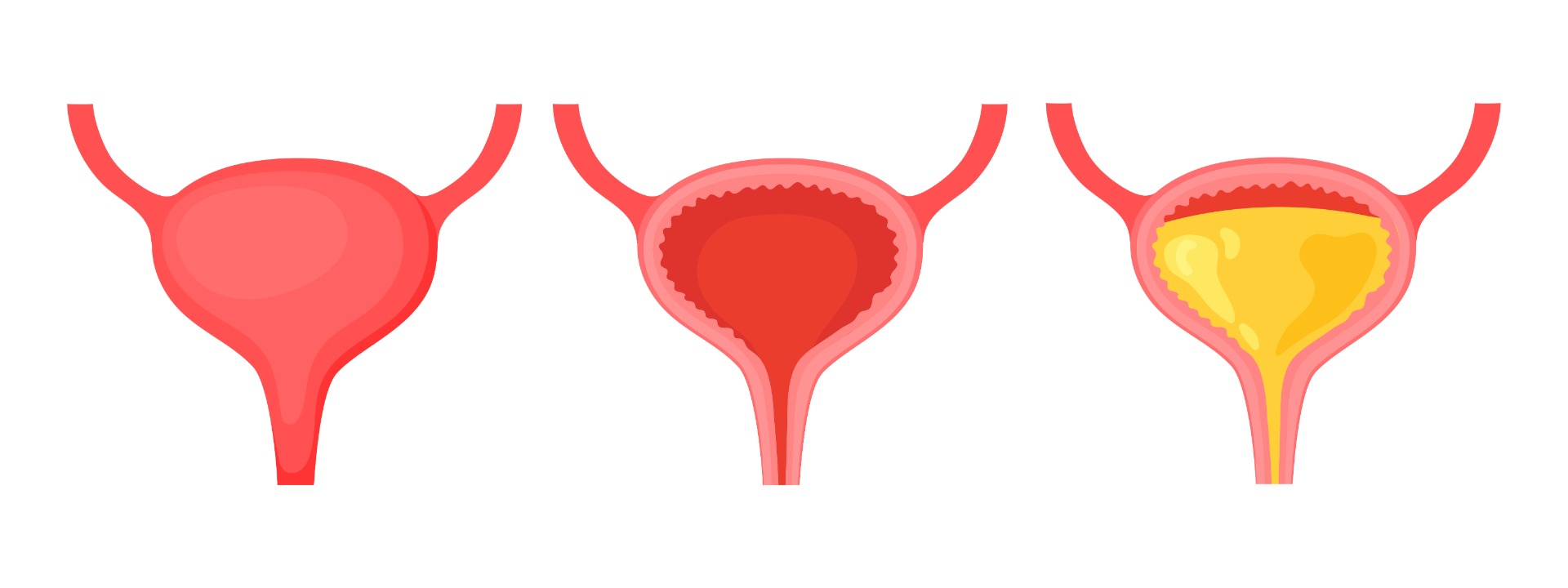
Stress Incontinence Explained
Stress incontinence is one of the most common types of urinary incontinence. It occurs when pressure on the bladder, such as coughing, sneezing, or laughing, leads to urine leakage. Understanding the causes and management of stress incontinence is vital for seniors and their caregivers.
This type of incontinence often results from weakened pelvic floor muscles, which are essential for bladder control. Factors such as childbirth, menopause, and surgery can contribute to this weakening, making stress incontinence more prevalent in older adults.
To manage stress incontinence, exercises like pelvic floor muscle training (often called Kegel exercises) can significantly help. Strengthening these muscles can improve bladder control and reduce leakage episodes, allowing seniors to regain confidence and independence.
Urge Incontinence Unveiled
Urge incontinence, also known as overactive bladder, is characterised by a sudden and intense need to urinate. This urgency is difficult to control and often leads to unexpected leakage. Exploring the triggers and solutions for urge incontinence is essential.
An overactive bladder can result from various factors, including nerve damage, infections, or conditions like diabetes. Identifying and addressing these underlying causes is crucial in managing urge incontinence effectively.
Behavioural techniques, such as bladder training and scheduled voiding, can help seniors regain control over their bladder. These strategies involve gradually increasing the time between bathroom visits, allowing the bladder to hold more urine and reducing the frequency of urgent trips.
Overflow Incontinence Decoded
Overflow incontinence occurs when the bladder doesn't empty completely, resulting in a constant dribble of urine. This condition is often linked to physical obstructions or nerve damage. Understanding the contributing factors and management strategies is vital for those affected.
This type of incontinence can arise from issues such as prostate enlargement, constipation, or nerve damage caused by conditions like multiple sclerosis or diabetes. Identifying and addressing the underlying cause is crucial in managing overflow incontinence effectively.
Healthcare professionals may recommend techniques such as double voiding or catheterisation to help individuals empty their bladders more completely. These approaches can alleviate discomfort and reduce the risk of urinary tract infections.
Functional incontinence occurs when physical or cognitive impairments prevent an individual from reaching the bathroom in time. This type of incontinence poses unique challenges and requires tailored support from caregivers and healthcare professionals.
Physical limitations, such as mobility issues or arthritis, can make it difficult for individuals to access the bathroom promptly. Cognitive impairments, including dementia or Alzheimer's disease, can also contribute to functional incontinence.
To address functional incontinence, caregivers and healthcare professionals should focus on creating an accessible and supportive environment. This may involve installing grab bars, using mobility aids, or implementing timed voiding schedules to ensure timely bathroom visits.
Practical Tips for Managing Incontinence
While incontinence can be challenging, there are practical strategies that individuals and caregivers can implement to improve the quality of life for those affected. These tips can help manage incontinence effectively and enhance daily living.
Encouraging a healthy lifestyle, including regular exercise and a balanced diet, can improve bladder and bowel function. Staying hydrated and avoiding bladder irritants, such as caffeine and alcohol, can also help.
Implementing a routine bathroom schedule and using absorbent products can provide added support. It's important for individuals to feel empowered and in control of their condition, reducing the impact of incontinence on their daily activities.
Encouraging Open Discussions About Incontinence
Breaking the stigma surrounding incontinence is crucial in fostering open discussions and promoting understanding. Encouraging open conversations can lead to better awareness and support for individuals affected by incontinence.
By normalising discussions about incontinence, individuals can feel more comfortable seeking help and sharing their experiences. Creating a safe and non-judgmental environment is key in promoting open dialogue.
Educational initiatives and awareness campaigns can play a vital role in dispelling myths and misconceptions about incontinence. Raising awareness can lead to greater societal understanding and support for those affected.
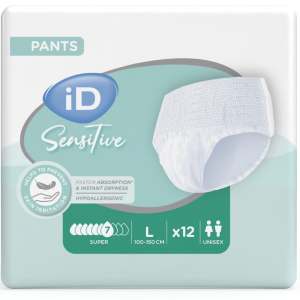
- Anti leakage protection
- Cotton feel
- Perfect fit
- Odour control
- Fast Absorption
- No latex
- Dermatologically tested

Odour Control
Elasticated Waistband
Cotton Feel
Close Fit
Leakage Protection
Optimum Absorbency
Bed and Chair Protection
Convenient

- Anti-leak cuffs
- Odour Control technology
- Breathable Cotton Feel Material
- Anatomically Shaped Pads
- Latex Free
- Double Wetness Indicator
Odour Control
Anatomically Shaped
Latex-Free
Double Wetness Indicator
Double Absorbent Layer
Elasticated Sides
Non-Rustle Sheet
Odour Control